





Breast Reduction
Conveniently located to serve the areas of Houston, TX

Breast reduction surgery, also known as reduction mammoplasty, is a life-changing surgical procedure designed to remove excess fat, tissue, and skin from the breasts. For many women, overly large breasts cause significant physical discomfort, unwanted attention, and self-consciousness.
At Plastic Surgery of Houston, board-certified plastic surgeon Dr. Jay Shenaq customizes each breast reduction procedure to remove as much or as little tissue as needed to complement your natural contours. By reshaping, lifting, and firming the breasts, Dr. Shenaq helps you achieve your ideal curves and enjoy a more active, pain-free lifestyle.
Contents
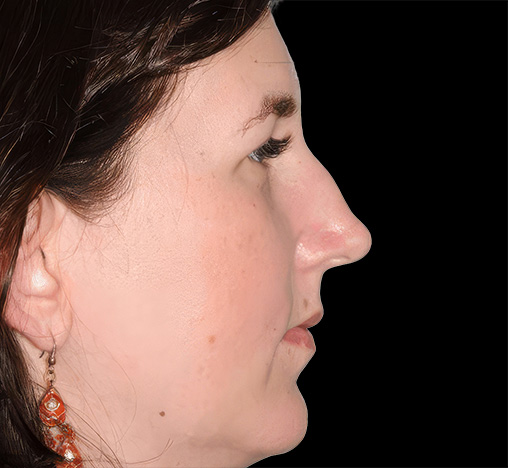
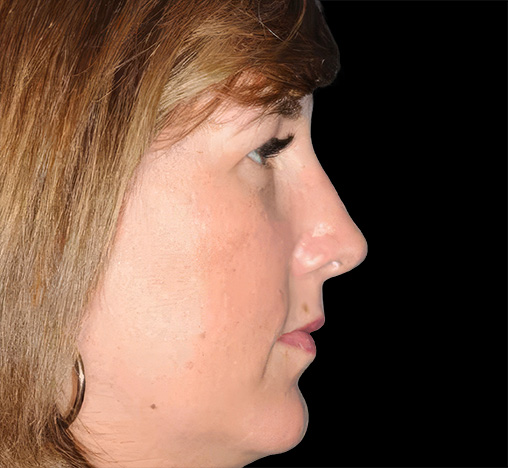
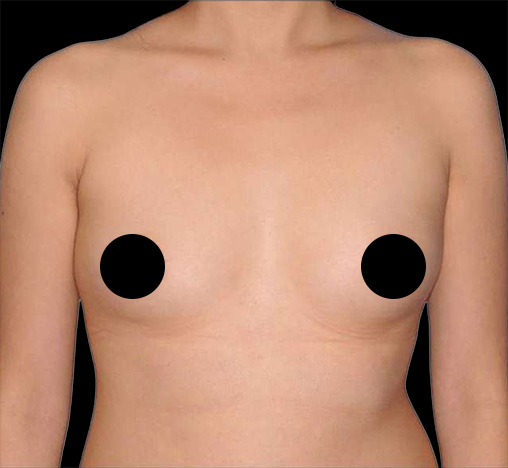
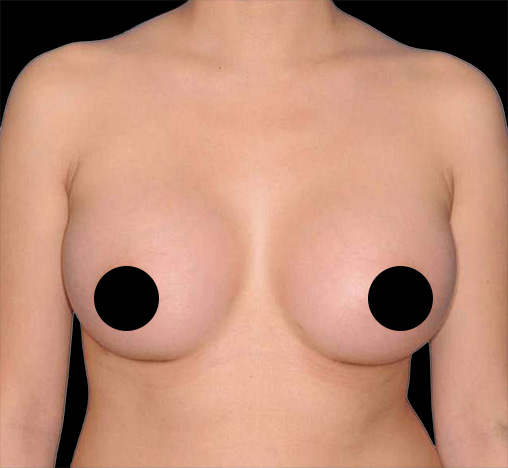
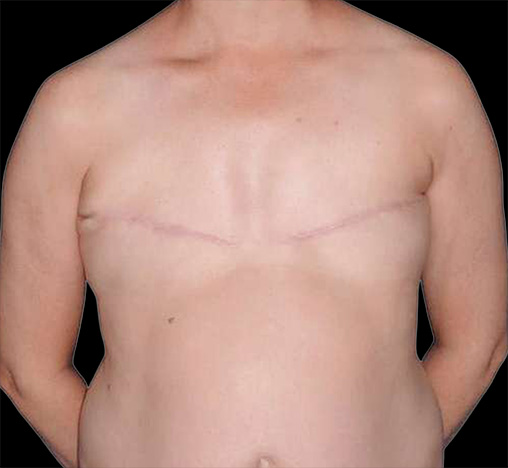
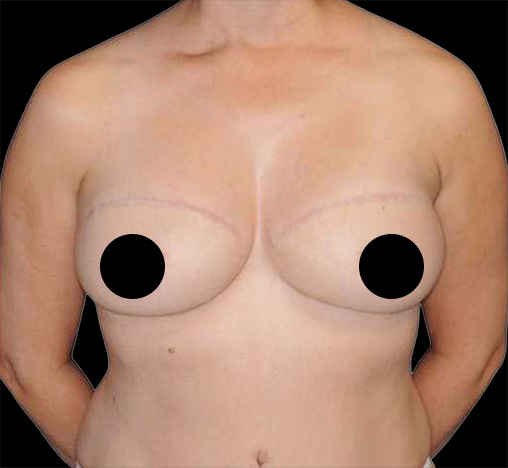
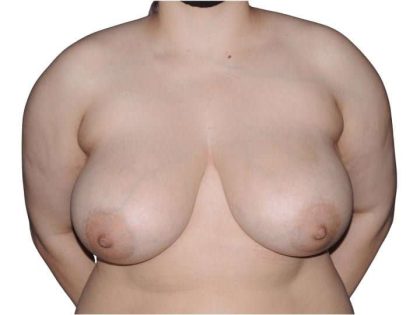
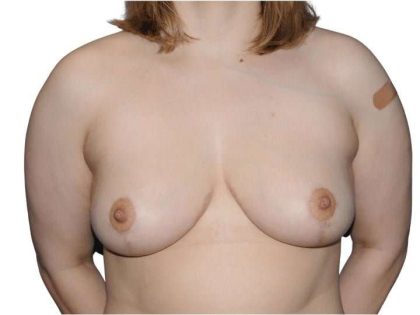
Before and After Photos


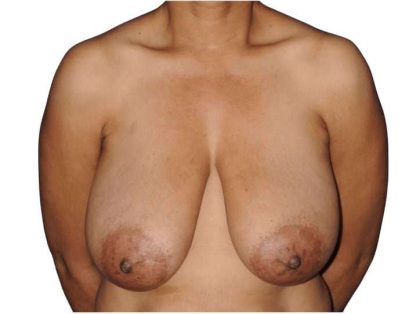
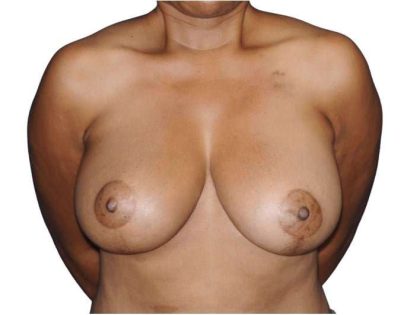
What are the benefits of Breast Reduction?
While breast surgeries often focus on enhancement, reducing breast volume can drastically improve your everyday quality of life. Benefits include:
- Physical Pain Relief: Eliminates chronic neck, back, and shoulder pain.
- Improved Comfort: Alleviates skin chafing and painful bra strap grooves in the shoulders.
- Enhanced Mobility: Makes exercise, sports, and physical activities much simpler.
- Better Posture & Rest: Helps resolve slumped posture and improves sleep comfort.
- Aesthetic & Confidence Boost: Raises, contours, and balances your body ratios, while resizing the nipples/areolas for a proportionate look.
- Expanded Wardrobe Choices: Allows clothes and swimwear to fit correctly and comfortably.
Who is a good candidate?
An ideal candidate for reduction mammoplasty is someone in good physical and emotional health with realistic expectations. This procedure is highly appropriate for patients experiencing:
- Breasts that feel painfully heavy or disproportionate to the body frame.
- Deep, painful grooves in the shoulders from bra straps.
- Skin rashes or irritation under the breast crease.
- Physical limitations that restrict lifestyle and exercise.
- Postural problems or a slumped silhouette.
What to expect on your procedure day
A breast reduction typically takes 2 to 5 hours, depending on your specific anatomy and the extent of the surgery. It is safely performed under general anesthesia at a surgical facility.
Pre-operative preparation
Your surgical day is the culmination of weeks of preparation. On the morning of your procedure, you will arrive a few hours early. You will receive precise preparation instructions beforehand, such as fasting for a specific window, avoiding alcohol and certain medications, and washing with a specialized surgical soap.
Surgical techniques & incisions
To reshape the breast and remove excess skin, Dr. Shenaq will utilize one or a combination of the following customized incision patterns:
- Peri-areolar: An incision around the circumference of the areola.
- Vertical (Lollipop): An incision extending from the bottom edge of the areola down to the breast crease.
- Horizontal (Anchor): An incision along the natural fold of the breast line.
- Liposuction: Often integrated to safely remove localized fatty tissue. This technique minimizes scarring, requires smaller incisions, and protects blood flow, reducing the risk of altered nipple sensation or areola discoloration.
During the process, the nipples and areolas are repositioned higher on the breast mound to ensure a youthful, lifted appearance.
Recovery and post-operative timeline
Immediately following surgery, many patients report feeling “instantly lighter.” However, your body will require dedicated time to heal cleanly and comfortably.
- First Few Days: Expect temporary swelling, bruising, and mild discomfort. Dr. Shenaq will prescribe pain medication to keep you comfortable. You must wear a specialized compression bra to support the healing tissues.
- Days 7–10: Most patients are well enough to rest comfortably at home and can prepare to return to desk jobs or light, non-strenuous work.
- Weeks 2–4: Swelling begins to subside significantly. Most patients comfortably return to standard daily routines and normal work activities, though heavy lifting must still be avoided.
- Weeks 6–8: Tissue healing is largely secure. Regular physical activities, strenuous exercise, and heavy lifting can safely resume.
- Long-Term (Up to 1 Year): While contours will look excellent early on, it can take up to a full year for residual internal swelling to completely resolve and for normal nipple sensitivity to return.
Take control of your body
Imagine living free of chronic back aching, enjoying exercise without restrictions, and feeling completely confident in your clothes. Contact Plastic Surgery of Houston today to schedule your comprehensive consultation with Dr. Jay Shenaq.
FAQ
Will my insurance cover Breast Reduction surgery?
Yes, in many cases. Many insurance providers cover the procedure if it is deemed a medical necessity to relieve physical symptoms like nerve pain, back/neck pain, or chronic rashes. Because coverage requirements vary, insurance companies often request objective measurements, including your height, weight, Body Mass Index (BMI), and body surface area. Our team at Plastic Surgery of Houston will help compile your medical documentation to submit your claim.
How much does the surgery cost?
Because every surgical plan is customized, exact costs vary based on facility fees, anesthesia, and the surgical technique used. Dr. Shenaq will provide a personalized cost breakdown during your initial consultation. To make treatment highly accessible, our office assists with low-interest medical financing and insurance coverage verification.
Will my nipples be moved during the procedure?
Yes. To achieve a natural, lifted shape, the nipple and areola are typically moved to a higher position on the breast mound. If a dramatic amount of skin and tissue is being removed, the nipple-areola complex may be carefully resized (using an areolatome) and repositioned. Dr. Shenaq will select the most conservative incision path possible to protect blood supply and nerve sensation.
Can I breastfeed after a breast reduction?
Breast reduction surgery can alter the milk ducts and nerve pathways, which may affect your ability to nurse. While some women can successfully breastfeed after a reduction, others cannot. Because it is difficult to predict individual outcomes, Dr. Shenaq strongly recommends that patients complete their families and finish breastfeeding before undergoing this surgery.
Can my breasts grow back after surgery?
The tissue removed during surgery is gone permanently, meaning results are long-lasting. However, significant future weight fluctuations, pregnancy, or natural hormonal shifts can cause the remaining breast tissue to grow or stretch. It is ideal to be at a stable, healthy weight prior to surgery to preserve your long-term aesthetic results.
What are the potential risks?
As with any major surgery under general anesthesia, risks include bleeding, infection, scarring, asymmetry, and temporary or permanent changes in nipple sensation. Discussing your medical history openly during your consultation minimizes these risks.